Nel panorama dell’arte contemporanea, pochi artisti riescono a creare un dialogo così profondo tra uomo e natura come John Grade. Scultore statunitense noto a livello internazionale, Grade realizza opere monumentali che nascono dall’osservazione attenta del mondo naturale e dalla volontà di renderne visibili i processi di trasformazione, crescita e decadimento.
Le sue installazioni non sono semplici rappresentazioni della natura: sono esperienze vive, in continua evoluzione, che cambiano nel tempo proprio come gli ecosistemi a cui si ispirano.
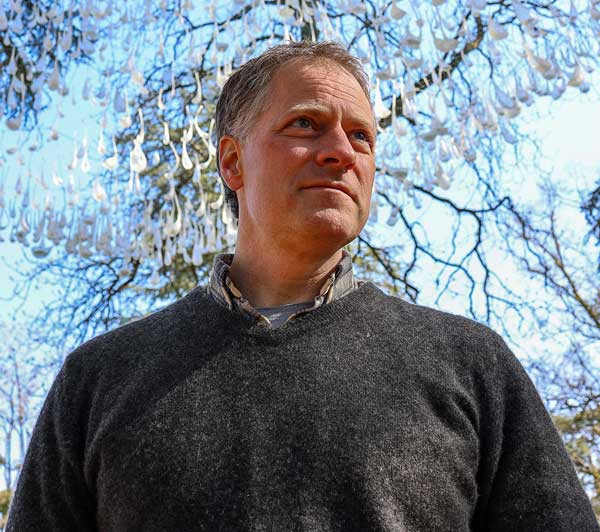 John Grade ©Photo: Blake Brown 2022 ©John Grade
Un artista ispirato dai processi naturali
Nato nel 1970 a Minneapolis e cresciuto nello stato di Washington, John Grade ha sviluppato fin da giovane un forte legame con il paesaggio naturale del Nord America. Questa connessione è diventata il fulcro della sua ricerca artistica, orientata a esplorare i meccanismi che regolano gli ecosistemi e le trasformazioni della materia.
A differenza di molti scultori tradizionali, Grade non cerca di imporre una forma definitiva ai suoi lavori. Le sue opere sono concepite come organismi in continua evoluzione, capaci di modificarsi nel tempo attraverso l’interazione con gli agenti atmosferici, la gravità o persino la partecipazione del pubblico.
Le sculture come ecosistemi viventi
Uno degli aspetti più affascinanti del lavoro di John Grade è il metodo con cui realizza le sue opere perché non parte dall’invenzione pura, ma dalla copia del reale. Spesso crea calchi direttamente da elementi naturali, come alberi o porzioni di bosco.
L’artista utilizza spesso tecnologie avanzate di scansione tridimensionale per rilevare con estrema precisione alberi, tronchi, radici o altre forme naturali. Questi dati vengono poi trasformati in strutture monumentali costruite con materiali come legno, bambù, metallo o elementi organici.
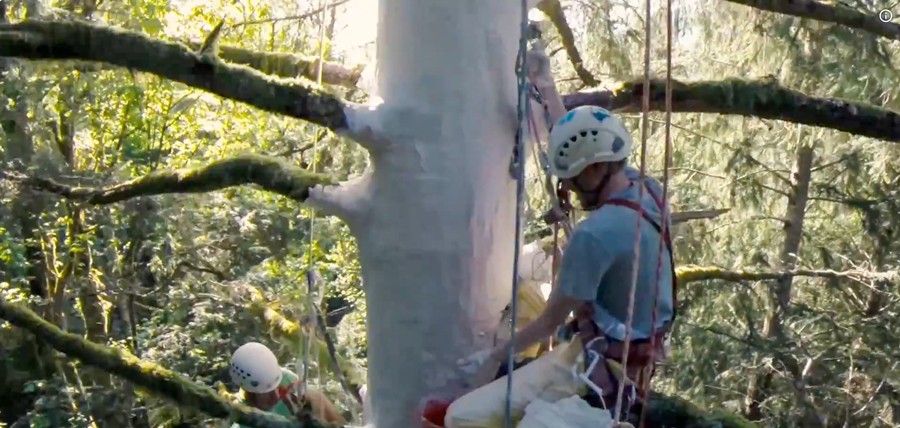
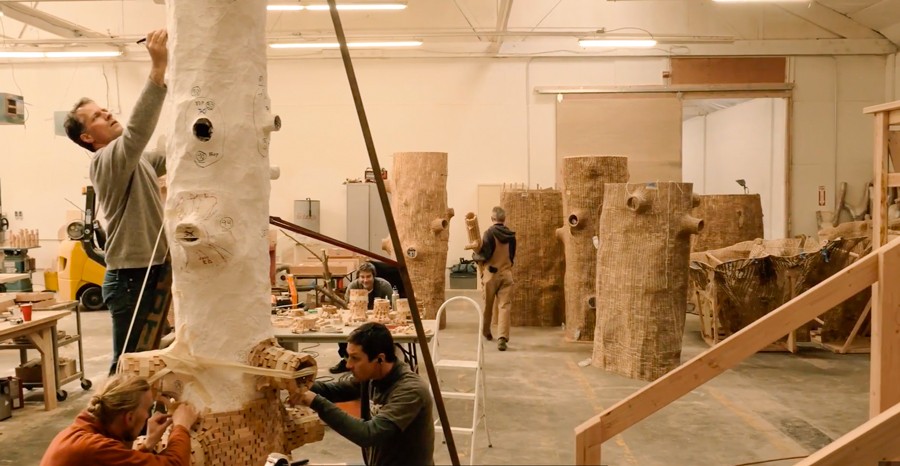
Fasi del calco dell’albero per Middle Fork . ©copyright John Grade
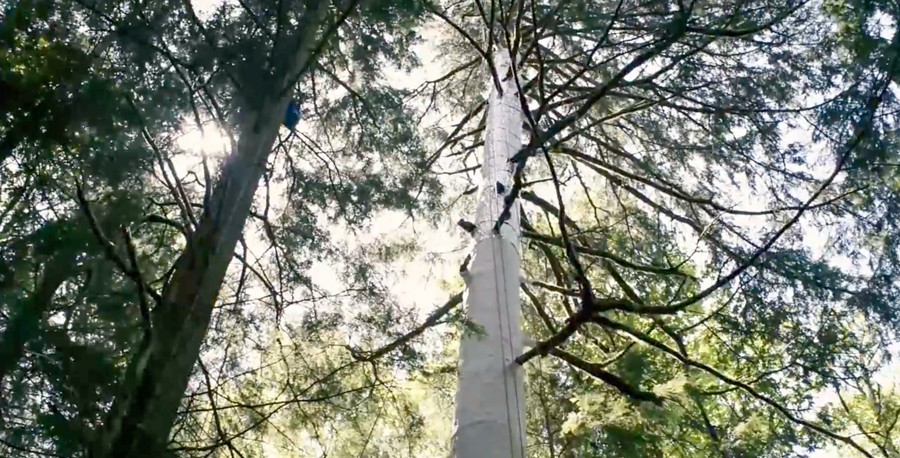
Calco completo dell’albero per Middle Fork ©copyright John Grade
Il risultato non è una copia della natura, ma una reinterpretazione che ne amplifica la complessità e la bellezza. È come se prendesse un pezzo di foresta e lo traducesse in un’altra materia, mantenendo però la memoria dell’originale. Le sue sculture sembrano sospese tra il mondo naturale e quello artificiale, creando un senso di meraviglia che coinvolge lo spettatore a livello emotivo e percettivo.
“Middle Fork”: l’opera che ha conquistato il pubblico
Tra i lavori più celebri di John Grade spicca Middle Fork, un’enorme installazione realizzata a partire dal calco e dalla scansione di un antico albero di cicuta situato nello stato di Washington.
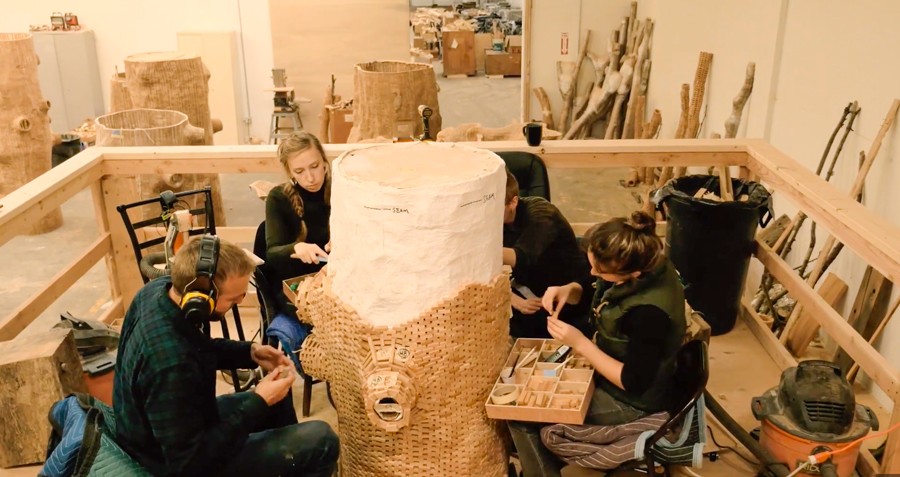
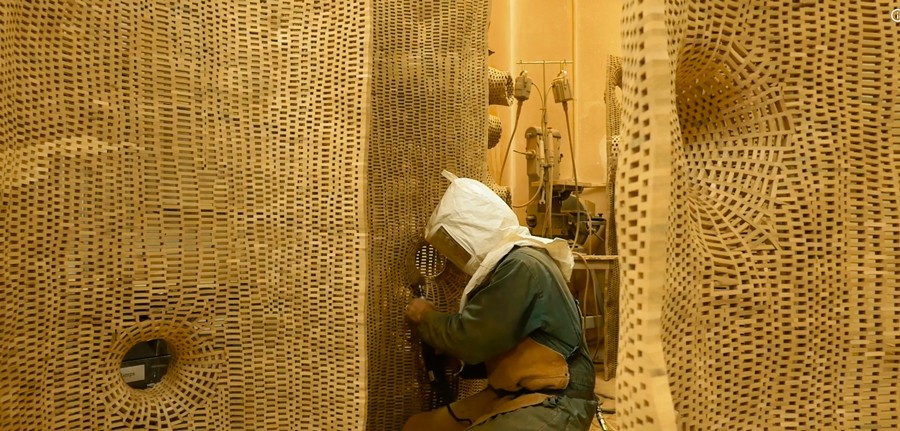
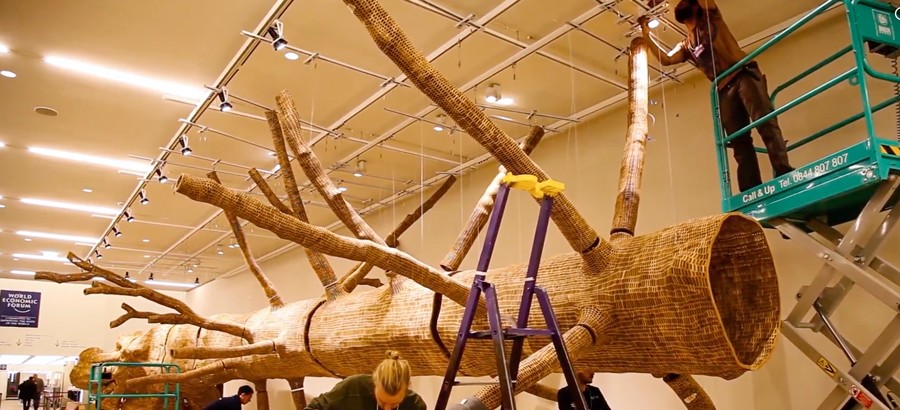
Fasi di assemblaggio Middle Fork ©copyright John Grade
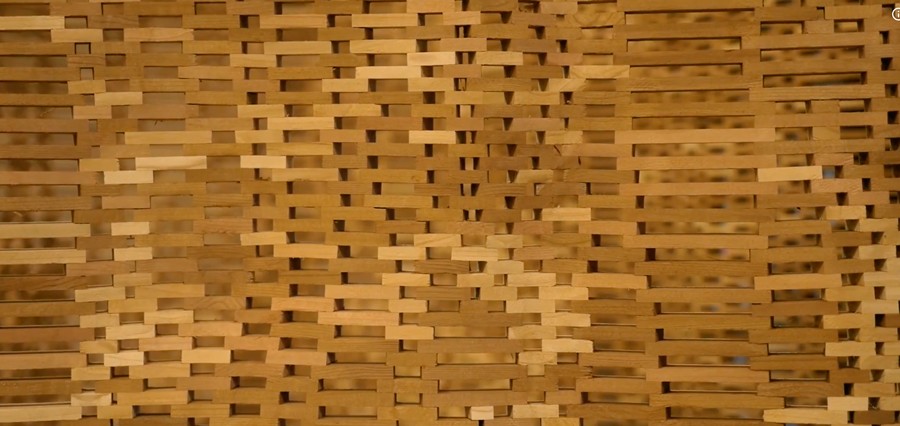
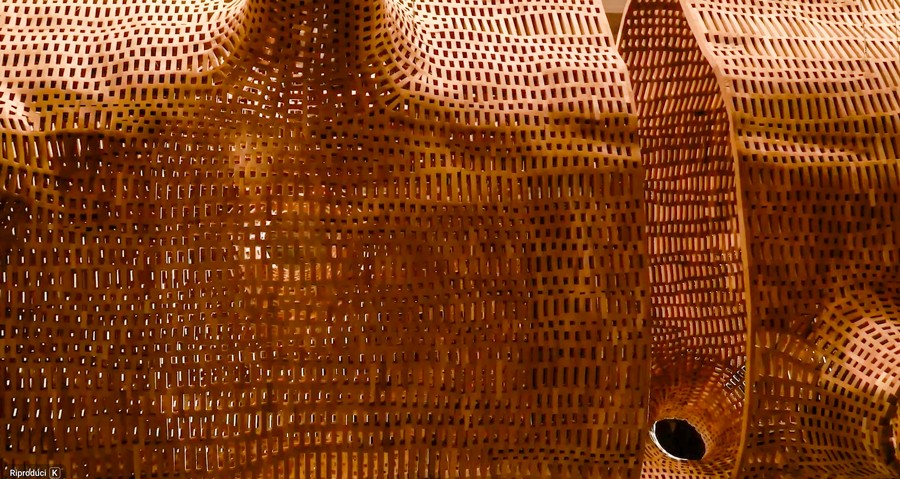
L’opera, composta da migliaia di elementi in legno assemblati manualmente da volontari e collaboratori, riproduce la forma dell’albero in scala monumentale. Esposta inizialmente all’interno del Renwick Gallery dello Smithsonian American Art Museum di Washington D.C., ha attirato l’attenzione di migliaia di visitatori per la sua straordinaria capacità di evocare la presenza della natura all’interno di uno spazio museale.
Ciò che rende Middle Fork particolarmente significativa è il suo destino finale: dopo l’esposizione, la struttura è stata smontata e distribuita in diversi luoghi naturali, dove i singoli elementi sono stati lasciati degradare e reintegrarsi nell’ambiente. Un gesto che riflette perfettamente la filosofia artistica di Grade, secondo cui ogni forma è destinata a trasformarsi.
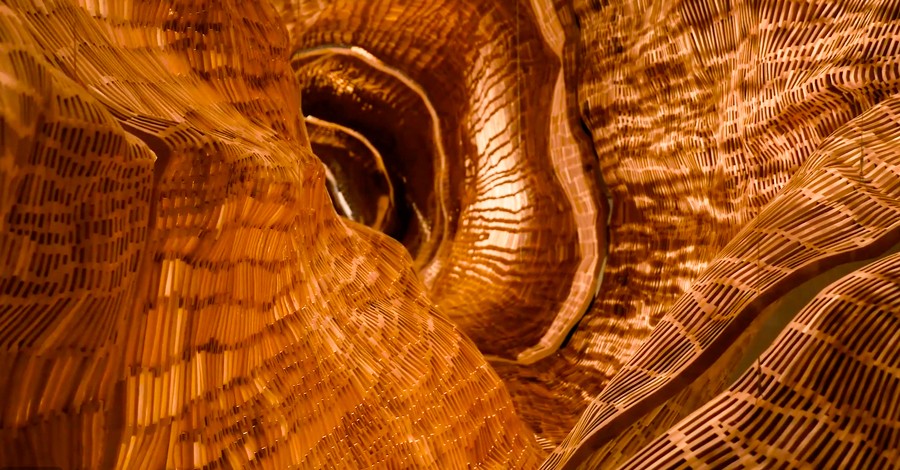
Middle Fork (dettaglio della base) © John Grade
“Reservoir”: una scultura che vive con la pioggia
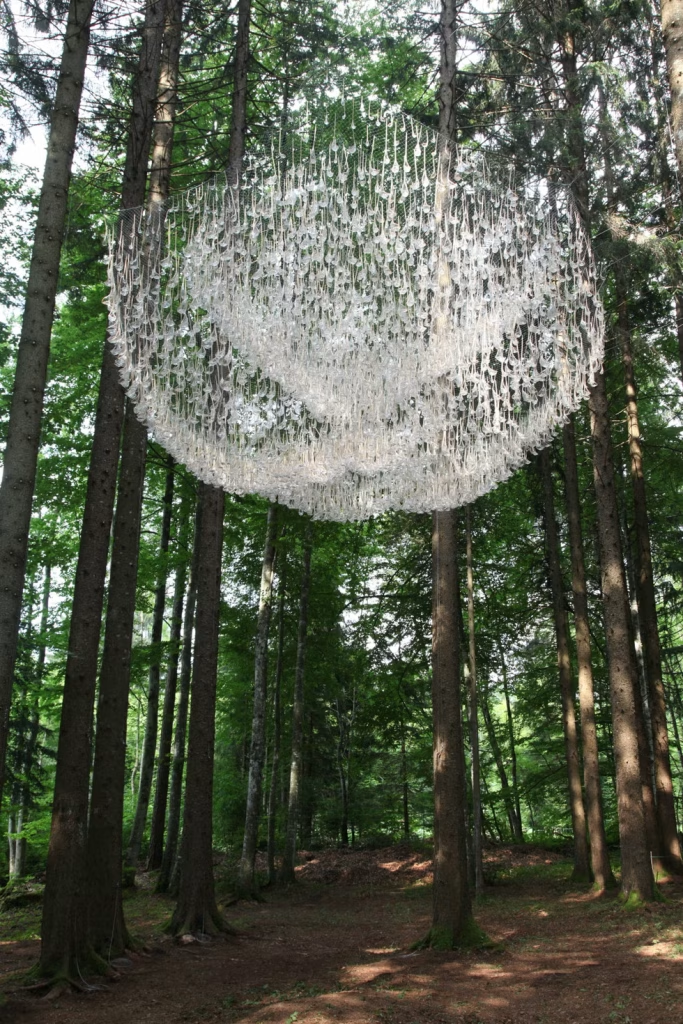
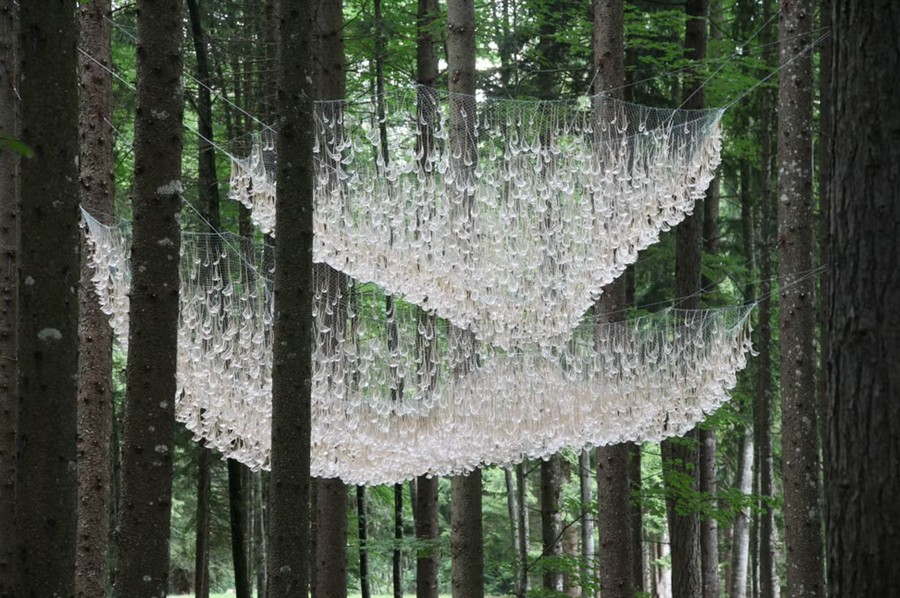
Tra le opere più innovative di John Grade spicca Reservoir, realizzata nel 2018 per il parco di sculture Arte Sella, in Trentino. Sospesa tra gli alberi di una radura, l’installazione appare come una gigantesca nuvola o un lampadario organico fluttuante nel bosco, capace di trasformarsi continuamente in risposta agli eventi atmosferici.
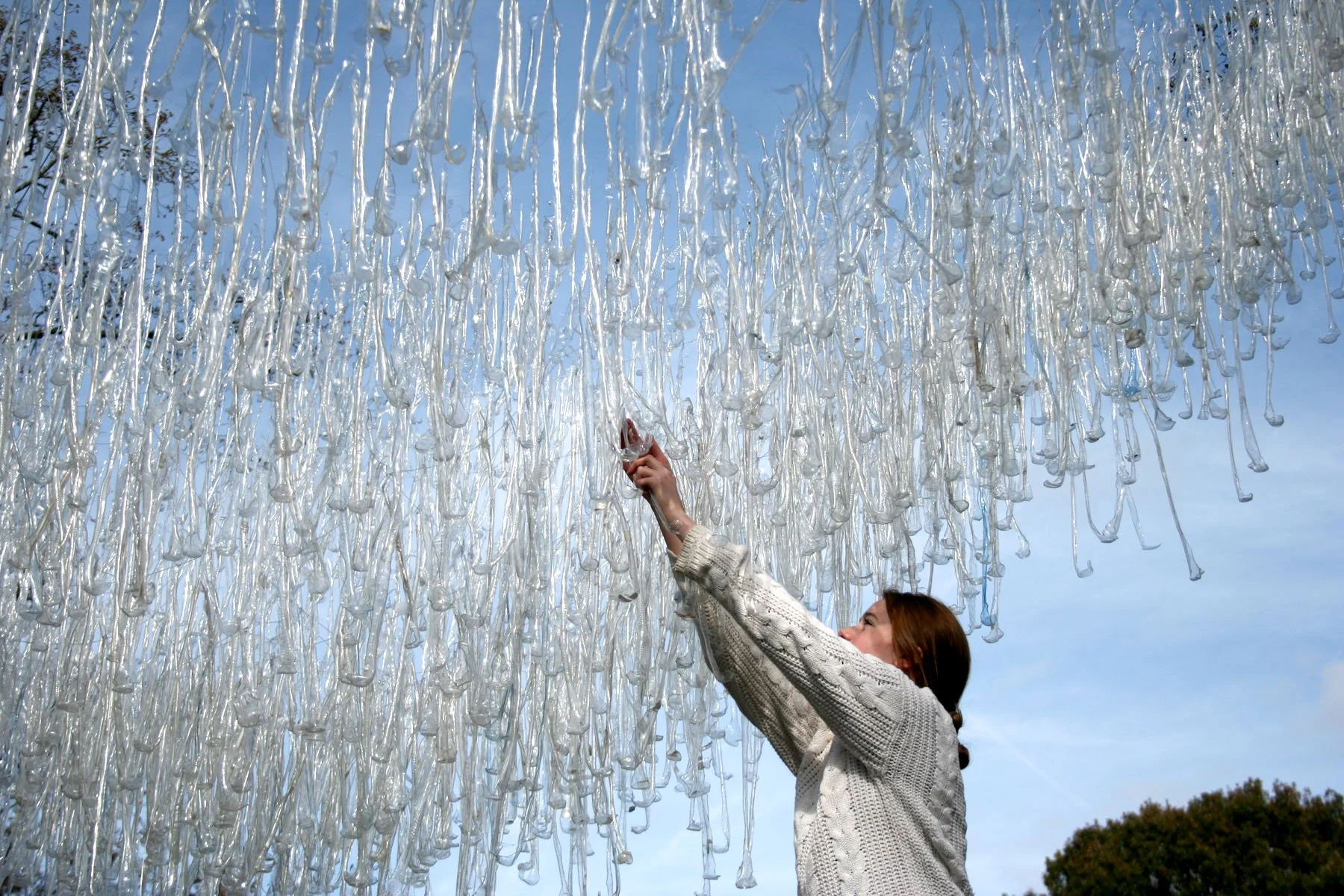
L’opera è composta da circa cinquemila gocce trasparenti modellate a caldo e fissate a una struttura di reti sospese tra i tronchi degli alberi. Ogni elemento è progettato per raccogliere l’acqua piovana o la neve.
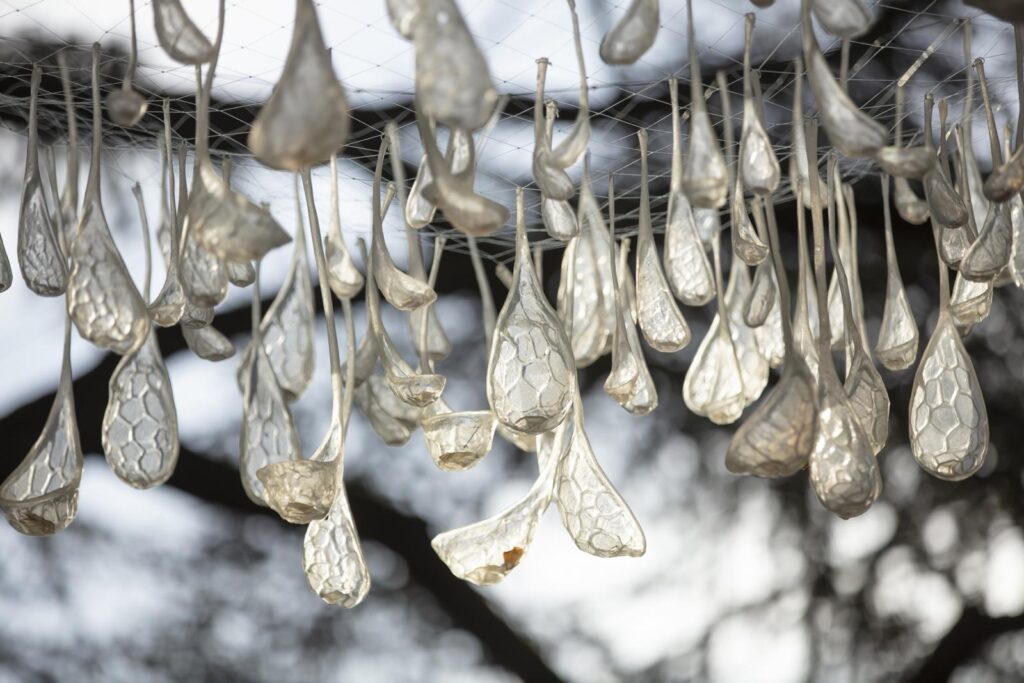
Quando le precipitazioni aumentano, il peso dell’acqua accumulata fa abbassare gradualmente la scultura, modificandone la forma e il profilo. Con il ritorno del sole e l’evaporazione dell’acqua, la struttura risale lentamente verso la posizione originaria. In questo modo l’opera rende visibili processi naturali normalmente impercettibili, trasformando il clima in una forza creativa.
Grade ha raccontato di essersi ispirato al modo in cui la pioggia filtra attraverso la chioma degli alberi e al senso di quiete che caratterizza il bosco durante un temporale. L’obiettivo non era semplicemente creare una scultura da osservare, ma realizzare un organismo capace di dialogare con l’ambiente circostante e con i visitatori.
Reservoir rappresenta perfettamente la poetica dell’artista: un’opera che non impone una forma definitiva alla natura, ma che si lascia modellare da essa. Il tempo atmosferico, l’acqua, l’evaporazione e persino il movimento del vento diventano parte integrante del processo creativo, trasformando la scultura in un sistema vivente in costante evoluzione.
©John Grade
Il tempo come materiale creativo
Per John Grade il tempo non è semplicemente un contesto in cui l’opera esiste, ma un vero e proprio materiale artistico. Le sue installazioni spesso cambiano aspetto nel corso degli anni, reagendo alle condizioni ambientali o ai processi naturali di deterioramento.
A differenza di molti scultori contemporanei interessati principalmente all’oggetto artistico come elemento permanente, Grade lavora sul concetto opposto: la trasformazione continua. Le sue opere nascono per cambiare nel tempo, per deteriorarsi, per essere modificate dagli agenti atmosferici e talvolta perfino distrutte dalla natura stessa.
La trasformazione, per Grade, è un linguaggio artistico vero e proprio. Le sue sculture diventano così una specie di dialogo con il tempo: all’inizio sono solide e imponenti, poi si modificano, si indeboliscono, fino a diventare qualcos’altro.
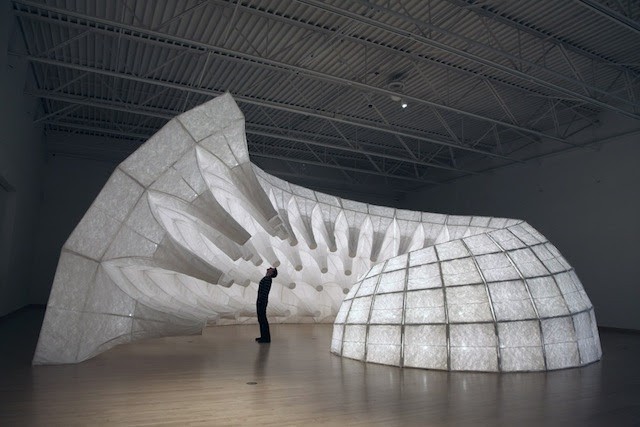
Le sue installazioni monumentali uniscono arte, architettura, ingegneria, scienza ambientale e partecipazione collettiva. Il risultato è una forma di scultura che non si limita a occupare uno spazio, ma entra in dialogo diretto con il luogo in cui viene costruita.
Le sue opere ricordano che tutto ciò che esiste è parte di un ciclo continuo di crescita, cambiamento e rinnovamento.
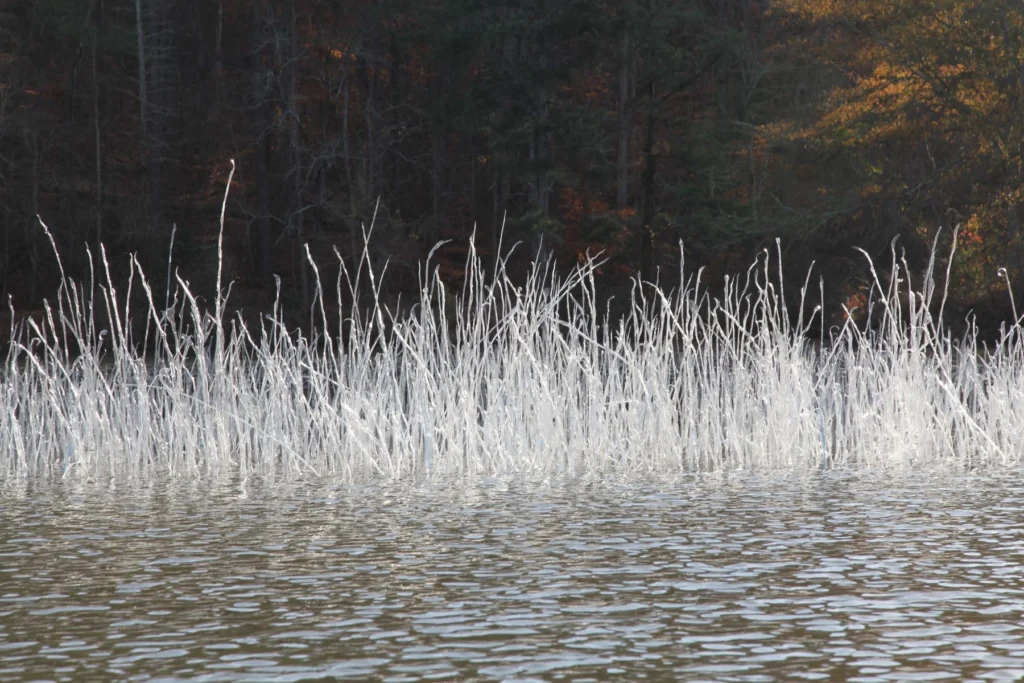
Piedmont Divide ©John Grade – Emory University lago Chandler – strisce di plastica riciclata –
Un messaggio sempre più attuale
In un’epoca segnata dalle sfide ambientali e dalla crescente consapevolezza ecologica, il lavoro di John Grade assume una particolare rilevanza. Le sue sculture invitano a osservare la natura non come una risorsa da sfruttare, ma come un sistema complesso di cui l’essere umano è parte integrante.
Da Middle Fork a Reservoir, il suo lavoro dimostra come l’arte possa diventare uno strumento di riflessione sul nostro rapporto con l’ambiente, invitandoci a riconoscere la bellezza dei processi di cambiamento che caratterizzano la vita stessa.
Attraverso forme monumentali e poetiche, l’artista ci ricorda che ogni elemento del mondo naturale è connesso a una rete più ampia di relazioni e trasformazioni.
© Giusy Baffi – Giugno 2026
© Le foto sono state reperite da libri, cataloghi o in rete e possono essere soggette a copyright. L’uso delle immagini e dei video sono esclusivamente a scopo esplicativo. L’intento di questo blog è solo didattico e informativo. Qualora la pubblicazione delle immagini violasse eventuali diritti d’autore si prega di volerlo comunicare via email a info@giusybaffi.com e saranno prontamente rimosse oppure citato il copyright ©. Il rispetto del diritto d’autore rappresenta un principio fondamentale per questo sito.
© Il presente sito https://giusybaffi.com/ non è a scopo di lucro e qualsiasi sfruttamento, riproduzione, duplicazione, copiatura o distribuzione dei Contenuti del Sito per fini commerciali è vietata.
©Photos have been sourced from books and catalogs or online and may be subject to copyright. The use of images and videos are for explanatory purposes only. This website and blog claim no credit for any image posted unless otherwise noted. Images on this website and blog are copyrighted to its respectful owners. If there is an image appearing on this blog and website that belongs to you and do not wish for it to appear on this site, please email to info@giusybaffi.com and it will be promptly removed or copyright © cited. Respect for copyright is a core principle of this website
© This site https://giusybaffi.com/ is not for profit and any exploitation, reproduction, duplication, copying or distribution of the Site Content for commercial purposes is prohibited.